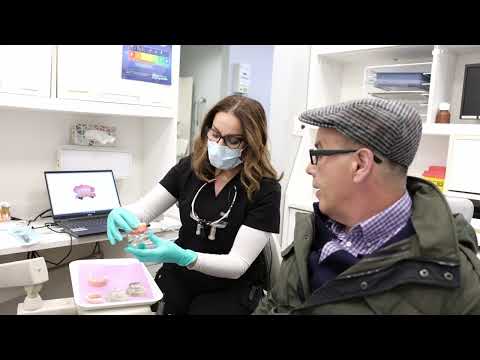

Lingering sensitivity to hot or cold, throbbing pain, pain when biting, gum swelling or a darkening tooth can all mean the nerve inside a tooth is inflamed or infected. Only an exam and X-rays can confirm it. At Trio Dentistry in Mississauga, root canals treat deep decay, infection, trauma and teeth with repeated procedures.
What Your Tooth May Be Trying to Tell You
- Pain that lingers or throbs is a more worrying sign than a quick twinge
- Swelling or a pimple on the gum can point to an infection at the root
- Some infected teeth do not hurt at all, which is why X-rays at checkups matter
- Other problems can feel similar, including sinus pressure, gum problems and teeth grinding
- Early care keeps more options open: a small problem may only need a filling
Tooth pain is hard to ignore, but it is also hard to read. Is it a cavity, a cracked tooth, or something deeper? Many patients in Mississauga search for how to know if you need a root canal before they call us, and that is a smart first step.
This guide explains the signs that often point to a root canal, the problems that can feel similar, and what your dentist checks to give you a clear answer.
What Is Happening Inside the Tooth?
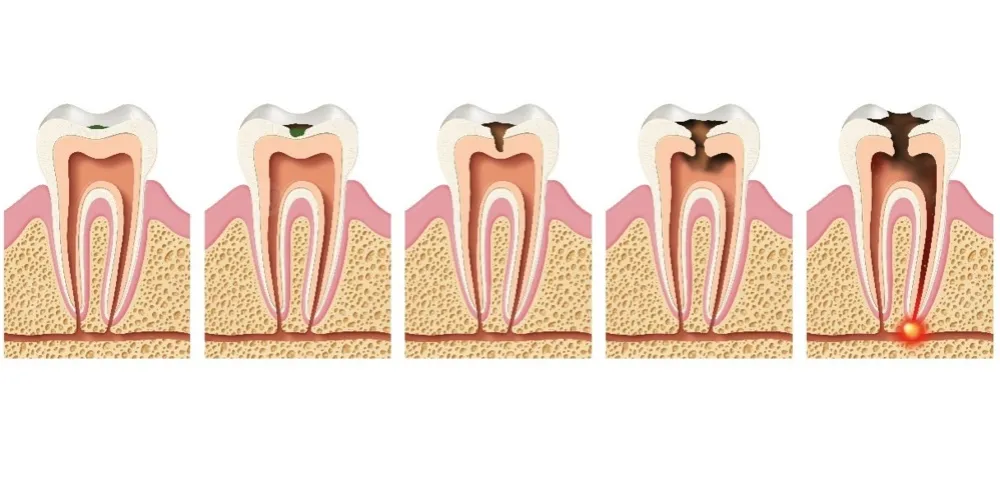
Under the hard outer layers of each tooth is the pulp: soft tissue with nerves and blood vessels. It sits in narrow channels called root canals that run down into the jaw.
According to the Canadian Dental Association, bacteria can reach the pulp through deep cavities, cracks or flawed fillings. Once the pulp is infected, it cannot heal on its own and needs to be removed. Root canal treatment cleans out the damaged pulp, then fills and seals the space so you can keep your natural tooth.
At Trio Dentistry, root canals are usually needed for one of four reasons:
- Deep decay that has reached the pulp
- Infection or an abscess at the root
- Trauma, such as a blow to the tooth or a crack
- A tooth with repeated procedures, such as several fillings over the years
How to Know If You Need a Root Canal: 7 Common Signs
The signs you need a root canal can be loud or quiet. Here are the ones patients mention most often.
1. Sensitivity to Hot or Cold That Lingers
A quick zing from ice cream that fades in a second or two is common. Sensitivity that keeps aching for a long time after the hot or cold is gone is different. It can mean the pulp is inflamed.
2. Throbbing Pain That Comes on by Itself
Pain that starts without a trigger, throbs, or wakes you at night is one of the classic root canal symptoms. It often means pressure is building inside the tooth.
3. Pain When You Bite or Chew
Sharp pain when you bite down on one spot can come from a crack, a deep cavity or an infection at the tip of the root. Your dentist will test the tooth to find the cause.
4. Swelling or a Pimple on the Gum
A small bump on the gum near one tooth, sometimes with a bad taste, can be a sign of an abscess. These are among the clearest root canal infection symptoms, even when the pain has faded.
5. A Tooth That Is Getting Darker
A tooth that turns grey or darker than its neighbours, often after an injury, may have a damaged pulp.
6. A Recent Injury or Crack
A knock to the mouth during sports or a fall can damage the pulp even when the tooth looks fine. Problems may show up weeks or months later.
7. A Tooth That Has Been Worked On Many Times
Each new filling on the same tooth adds stress to the pulp. A tooth with a long history of repairs is more likely to need deeper care.
What If the Tooth Does Not Hurt?
Not every infected tooth hurts. The Canadian Dental Association notes that a dentist may first notice an infection on a dental X-ray or from other changes in the tooth. This is one reason regular exams matter, even when you feel fine.
Root Canal Symptoms or Something Else?
Several common problems can feel like a tooth that needs a root canal. Knowing them can help you describe your pain clearly at your visit.
- Sinus pressure: a sinus infection can make several upper back teeth ache at once, especially when you bend over
- Gum problems: inflamed gums or a deep gum pocket can cause pain and a bad taste around a tooth
- Worn enamel or exposed roots: these can cause short, sharp sensitivity that fades quickly
- Grinding or clenching: teeth that feel sore in the morning, along with jaw tension, can point to grinding. Our dentists may suggest custom night guards in Mississauga
- A cavity that has not reached the nerve: this may only need one of our tooth fillings in Mississauga
Because these causes overlap, guessing at home rarely gives a clear answer. A short exam is the only way to know.
How Can You Tell If You Need a Root Canal for Sure?
The honest answer to how can you tell if you need a root canal is: your dentist tests the tooth and looks at it on an X-ray. At Trio Dentistry in Mississauga, an exam for a painful tooth includes:
- Questions about your pain: when it started, what triggers it, and how long it lasts
- A close look at the tooth and gums, with an intraoral camera when helpful, so you can see what your dentist sees
- Simple tests, such as gentle tapping or a cold test, to see how the tooth responds
- Digital X-rays to look at the root and the bone around it
Your dentist then explains what they found and the options for that tooth.
Questions to Ask at Your Visit
- What is causing the pain in this tooth?
- Can the tooth be saved, and what are my options?
- Will the tooth need a crown afterward?
- What should I avoid while I wait for treatment?
Write your answers down. It makes the next step much easier to plan.
If You Do Need a Root Canal at Trio Dentistry
If the pulp is damaged, root canal treatment is usually the way to keep the tooth. At Trio Dentistry, our general dentists perform root canals using digital X-rays, apex locators to measure each canal, and rotary endodontic tools to clean and shape the canals.
For comfort, we use local anesthesia, with sedation options available. Treatment often takes one visit, depending on how complex the tooth is. You can learn more about the steps on our root canal treatment in Mississauga page.
Protecting the Tooth Afterward
A tooth that has had a root canal can become more fragile. At Trio Dentistry, the permanent crown is placed after a healing period. Until then, our aftercare includes:
- Avoiding hard foods on that side
- Taking antibiotics or pain relief as directed
- Keeping up your daily hygiene to help prevent reinfection
- Returning for your permanent restoration
To learn what a crown is and how it protects a treated tooth, read our guide: what is a dental crown.
When Tooth Pain Should Not Wait
Waiting rarely makes an infected tooth better. The infection can spread, and a tooth that could have been saved may need to be removed.
Call us soon if you have:
- Pain that keeps you awake or is getting worse
- Swelling in your gum or face
- A broken tooth after an injury
Trio Dentistry offers same-day appointments for toothaches through our emergency dentist in Mississauga service.
FAQs About Root Canal Signs
How do I avoid a root canal?
Catch decay early. Brush twice a day with fluoride toothpaste, floss daily, and keep your regular checkups so small cavities are filled before they reach the nerve. Wear a mouthguard for contact sports, and ask about a night guard if you grind your teeth, because cracks can let bacteria in.
Can a sinus infection cause tooth pain?
Yes. The roots of the upper back teeth sit close to the sinuses, so sinus pressure can make several upper teeth ache at once. Sinus-related pain often changes when you bend over and comes with congestion. Pain in a single tooth that lingers after hot or cold is more likely to come from the tooth itself.
Are root canals bad for you?
No. The Canadian Dental Association describes root canal treatment as an effective and safe way to treat a tooth whose pulp is inflamed or infected. It removes the infection and lets you keep your natural tooth. Leaving an infected tooth untreated is what can cause serious oral health problems.
Why is my root canal tooth hurting after years?
A treated tooth can hurt years later if new decay forms under a filling or crown, if the tooth cracks, or if bacteria get back into the root canal system. Gum problems around the tooth can also cause pain. Your dentist will examine the tooth and take an X-ray to find the cause.
What are the signs a root canal has failed?
Possible signs include pain or tenderness that returns in a treated tooth, swelling or a pimple on the gum near it, or a bad taste. Sometimes there are no symptoms and the problem only shows up on an X-ray. If you notice any of these, book an exam so your dentist can check the tooth and explain your options.
Not Sure What Your Toothache Means?
You do not have to figure it out alone. A quick exam can tell you whether your tooth needs a filling, a root canal or simply a closer watch.
- Clear diagnosis: a focused exam with digital X-rays and simple tooth tests
- Comfort during treatment: local anesthesia, with sedation options available
- Same-day appointments for toothaches, so pain does not have to wait
Book online or visit Trio Dentistry at 3163 Winston Churchill Blvd., Mississauga, to have the tooth checked and learn about root canal treatment in Mississauga.